Bonding Agents
FDA Approved
All Products
60K+ Products
Quality Assured
Same Day Ship
Orders by 11AM
Free Shipping
Orders $349+
Flexible Payments
Credit Card, ACH Transfer
-
-

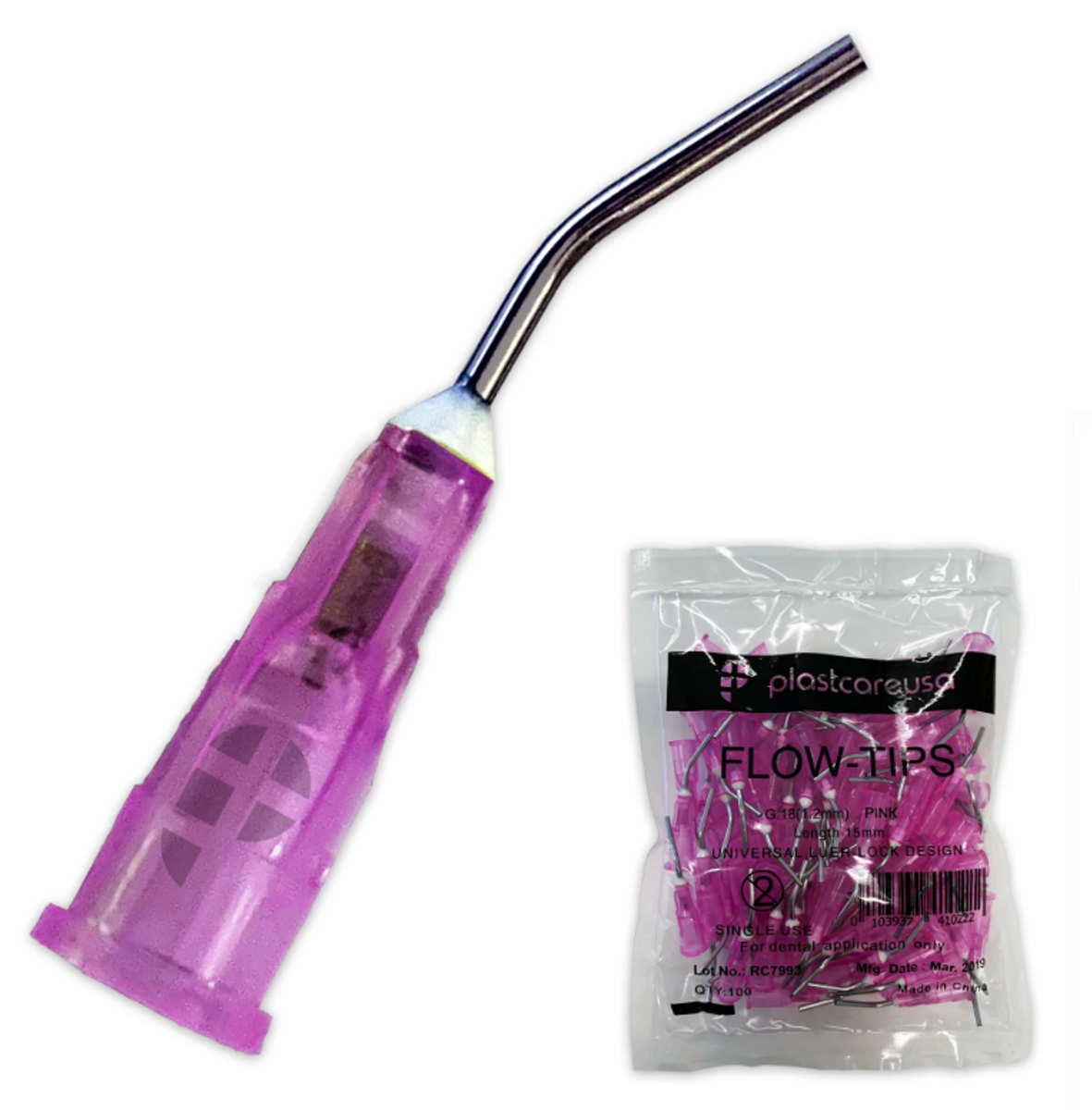
Glustitch Periacryl Adhesives (10137_P-ACRYL5V)
MFR:GluStitch, Inc.
MFR Code: P-ACRYL5V
(26)
$86.64View Product -
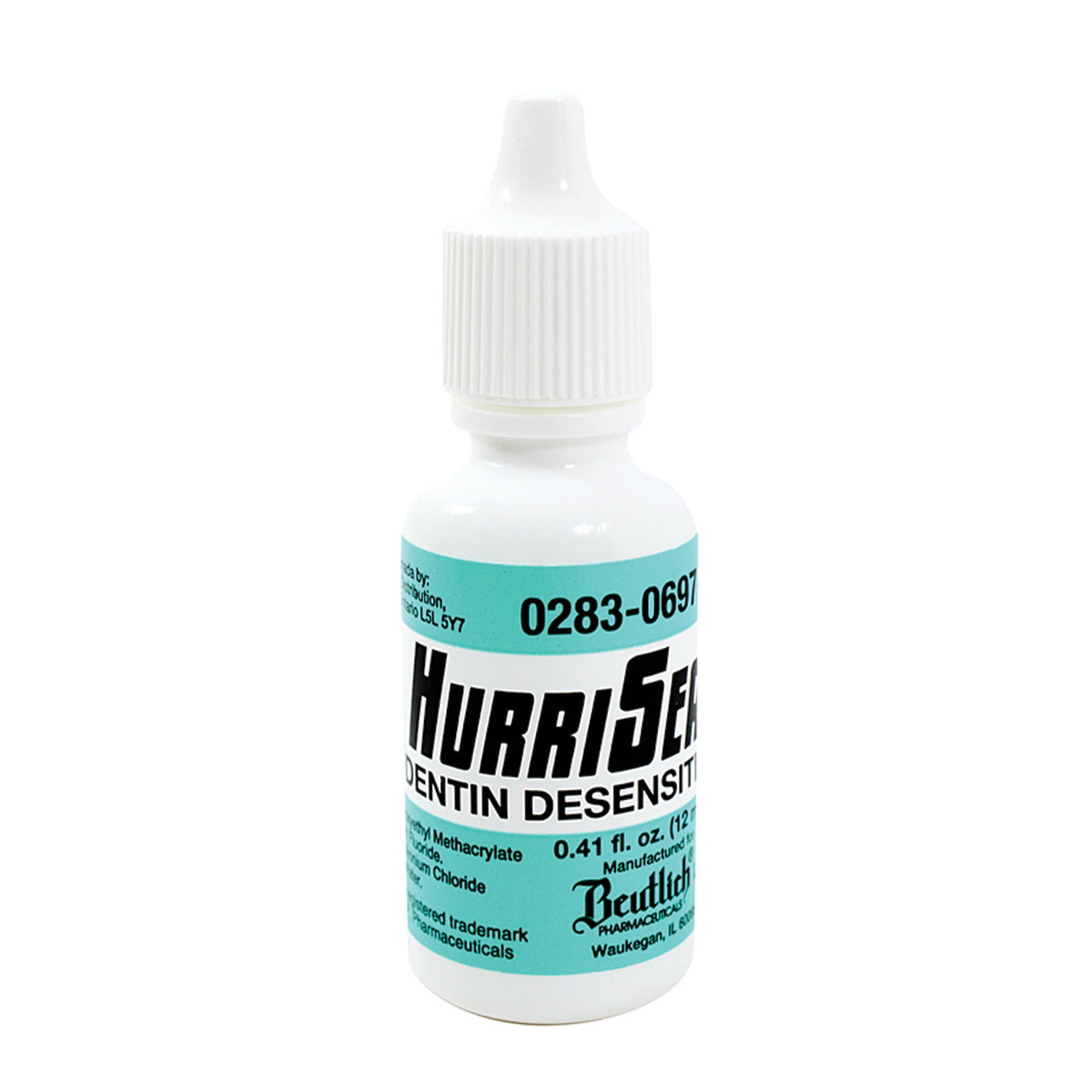
Beutlich Hurriseal Dentin Desensitizer (10137_0283-0697-82)
MFR:Beutlich LP Pharmaceuticals
MFR Code: 0283-0697-82
(10)
$53.08View Product
What Our Customers Say
Dental Bonding Agents – Buy Bonding Agents Wholesale
Looking for reliable dental bonding agents to ensure strong, long-lasting adhesion in your restorations? At bttn, we offer medical-grade bonding agents in bulk so you can buy dental bonding agents at wholesale pricing without compromising quality. Whether you’re doing composite fillings, veneers, or other bonded restorations, our bonding agents are selected to give excellent bond strength, compatibility, and consistent performance.
Our wholesale bonding agents are from trusted manufacturers, meeting dental-industry standards. With bttn, you get dependable supplies, expert guidance, and fast nationwide delivery so your practice stays well stocked and ready for every procedure.
Key Features of Our Dental Bonding Agents
-
Strong adhesive performance on both enamel and dentin
-
Various bonding systems: total etch (etch-and-rinse), self-etch, universal bonding agents
-
Compatible with light-cure composites and dual-cure materials
-
Low postoperative sensitivity formulations
-
Easy-to-use delivery formats (bottles, single-use tips)
-
Reliable shelf life and stable chemistry
-
Certified quality – dental-grade, meeting regulatory norms
-
Bulk packaging to support clinics, labs, and multi-doctor practices
Why Choose bttn for Bonding Agents
Dental professionals and cosmetic / restorative dentists choose bttn for bonding agent supplies because we bring together quality, compliance, and value:
-
Wholesale Pricing – Order bonding agents in bulk and reduce per-unit cost while maintaining quality.
-
Certifications & Standards – Our bonding agents are sourced from reputable manufacturers and comply with dental material safety standards.
-
Product Range – From universal bonding agents to self-etch systems and light-cure / dual-cure options.
-
Stock Reliability – bttn maintains inventory so your practice won’t experience delays in getting critical adhesive supplies.
-
Expert Support – bttn team can help you choose the right bonding system for your procedure (restorative/composite, veneer, etc.).
-
Fast USA Shipping – Get your bonding agents delivered promptly to your clinic or office.
Frequently Asked Questions (FAQs)
Here are some questions people often ask about dental bonding agents. bttn aims to provide clear, helpful answers so you can choose the right products.
Q1: What are dental bonding agents and why are they used?
Bonding agents are adhesives used to help composite restorations, veneers, or other materials stick firmly to tooth enamel or dentin. They create a tight interface so restorations hold up under chewing, resist moisture, and look good.
Q2: What types of bonding systems are there?
There are typically:
-
Etch-and-rinse (total etch) systems, where you separately etch the tooth with acid then rinse and apply primer/adhesive.
-
Self-etch systems, where etch and primer are combined, so there’s less technique sensitivity.
-
Universal bonding agents that can work in different modes (etch-and-rinse or self-etch), depending on what the clinician prefers.
Q3: Can bonding agents reduce sensitivity after restorations?
Yes. Modern bonding agents are formulated to reduce postoperative sensitivity by sealing dentin well and limiting microleakage. Choosing the right agent and following proper protocol helps.
Q4: Are bonding agents with dual-cure beneficial?
Dual-cure bonding agents (which cure both by light and by chemical reaction) are beneficial in areas where light may not reach fully (e.g. deep cavities, post-holes). They ensure full cure in challenging areas.
Q5: How long does a dental bonded restoration last?
Lifespan depends on many factors: how well the bonding agent is applied, oral hygiene, habits (chewing hard items, grinding), and material quality. Usually bonded restorations can last 3-10 years or more with good care.
Q6: How do I choose between different bonding agents?
Consider: method (etch-and-rinse vs self-etch vs universal), whether you need light cure vs dual cure, how much working time you have, susceptibility to sensitivity, and compatibility with your composite/resin system.
Q7: Do bonding agents stain or discolor over time?
Bonding agents themselves are not usually the staining part — the composite overlay or marginal areas are more prone. But poor polishing, surface roughness, and pigment exposure (coffee, smoking) can cause staining. Appropriate finishing and maintenance help.
Q8: Can I buy bonding agents in bulk from bttn?
Yes. bttn offers bonding agents wholesale so you can keep your practice supplied and reduce per unit cost.
Q9: Do bonding agents require special storage or handling?
Yes. Light-sensitive adhesives should be protected from bright light; they often store best in cool, dry places. Expiration dates matter. Single-use tips reduce contamination risk.
Q10: What is the difference between dental bonding agent and composite resin?
The bonding agent is the adhesive layer that helps the composite resin (the filling / restorative material) adhere to the tooth. Composite resin is the material that fills or restores, while bonding agent ensures it sticks well.
Q11: Can bonding agents be used for both anterior (front) and posterior (back) teeth restorations?
Yes, most bonding agents are suitable for both. But in posterior teeth, because of higher biting / chewing forces, strength and durability of both bonding agent and composite matter more.
Q12: How does the use of bonding agents affect future dental work?
Good bonding helps maintain margin integrity. But if bonding fails or chips, you may need repair or replacement. Also, bonding doesn’t usually interfere with other restorations, and if future treatments are needed, bonding can be removed and reapplied when required.
Accepted Licenses
For Business Accounts:
- Pharmacy or wholesale distributor license issued by the state board
- License address must exactly match the shipping address
- License must be from the same state as the shipping address
For Individual Practitioners:
- Doctor, dentist, or nurse practitioner license issued by the state board
- Address does not need to match, but license must still be from the same state as the shipping destination
Note: A DEA license will not meet the requirement.
Please email the appropriate license to support@bttnusa.com so that we can confirm your eligibility to purchase pharmaceutical products.
Your Health & Safety is Our Priority
Serving healthcare professionals with quality medical supplies since 2020