

Surgical Sutures: Types, Techniques & Care Guide
Posted by Pankaj Dhiman on Aug 23rd 2023
In every surgical procedure, precision is everything. From the first incision to the final stitch, every movement of a surgeon’s hand decides how well a patient heals. Among all the surgical tools and materials used, surgical sutures play one of the most crucial roles. They are the silent protectors of healing — closing wounds, restoring tissues, and ensuring that recovery happens the way nature intends.
For clinics, hospitals, and healthcare facilities, choosing the right surgical sutures is more than a procedural choice — it’s a matter of patient safety, wound strength, and healing efficiency. Let’s explore everything you need to know about surgical sutures, their types of surgical suture, uses of surgical suture, and surgical suture materials, so you can make informed, clinical, and confident choices.
Surgical Sutures: Types, Uses, and Materials Explained

What Are Surgical Sutures?
Surgical sutures are sterile, specialized threads used by healthcare professionals to close wounds, incisions, or tissue openings after a surgical procedure. They act as temporary scaffolds that hold tissues in place until natural healing occurs.
Every surgical suture is designed with a specific purpose — to maintain tensile strength, resist infection, and promote tissue recovery with minimal scarring. Depending on the surgery type, doctors select from various surgical suture materials and thickness levels to match the tissue’s strength and sensitivity.
In simple terms, surgical sutures help the body heal in alignment — holding the edges of the wound together long enough for the tissue to regenerate properly.
Types of Surgical Sutures
When it comes to types of surgical sutures, they are generally categorized based on absorbability, material, and structure. The right choice depends on the surgery type, tissue layer, and expected healing time.
Let’s break down the major types of surgical sutures you’ll encounter in clinical practice.
1. Absorbable Surgical Sutures
Absorbable surgical sutures are made from materials that break down naturally inside the body. Over time, the body’s enzymes or hydrolytic reactions dissolve the suture, removing the need for manual removal.
They are ideal for internal tissues, organ repair, and deep wound closure — where accessing the suture later is not possible or practical.
Common materials:
-
Polyglycolic Acid (PGA)
-
Polylactic Acid (PLA)
-
Catgut (Natural collagen-based)
-
Polydioxanone (PDS)
Advantages of absorbable surgical sutures:
-
No need for removal procedures.
-
Reduced risk of secondary infection.
-
Predictable absorption time.
Applications:
Used widely in gynecological surgeries, urology, gastrointestinal repairs, and pediatric procedures, where soft tissue healing is critical.
2. Non-Absorbable Surgical Sutures
Non-absorbable surgical sutures remain in the body until they are manually removed or left permanently (depending on the case). They’re made from durable materials like silk, nylon, polyester, or polypropylene, designed to provide long-term tensile strength.
Advantages:
-
Exceptional wound support for long-term healing.
-
Excellent knot security and minimal tissue reaction.
-
Ideal for areas with slow tissue regeneration.
Common applications:
-
Skin closure after trauma or surgery.
-
Cardiovascular surgeries (where permanent strength is vital).
-
Orthopedic procedures requiring firm tissue alignment.
When using non-absorbable surgical sutures, healthcare professionals must ensure timely removal to prevent tissue irritation.
Surgical Suture Materials
Surgical suture materials are divided into two primary categories — natural and synthetic. Each type influences the body’s reaction, absorption rate, and handling characteristics during surgery.
1. Natural Surgical Sutures
These are derived from biological sources like silk (from silkworms) or catgut (from animal intestines).
-
Catgut sutures are absorbable and often used in soft tissue repair.
-
Silk sutures, while non-absorbable, are valued for their smooth handling and knot strength.
However, natural surgical sutures can sometimes cause mild tissue reactions, making them less preferred in modern high-precision surgeries.
2. Synthetic Surgical Sutures
Synthetic sutures are engineered from polymers like nylon, polypropylene, polyglycolic acid, and polydioxanone.
They are predictable, cause minimal tissue inflammation, and have excellent strength retention.
Modern synthetic surgical sutures are favored for their consistency, flexibility, and biocompatibility across various medical fields.
Monofilament vs Multifilament Sutures
Another classification under types of surgical sutures comes from their structure.
-
Monofilament Sutures: Single smooth strand, which reduces infection risk and tissue trauma. Example: Nylon, Prolene.
-
Multifilament Sutures: Braided threads that provide strong knot security but can harbor bacteria if not handled carefully. Example: Silk, Vicryl.
The choice between these depends on whether the surgery prioritizes infection control or tensile strength.
Common Uses of Surgical Sutures
The uses of surgical sutures vary widely across medical specialties. Here are some of the most common applications:
-
Skin and Cosmetic Surgery: For precise skin closure and aesthetic healing.
-
Abdominal Surgeries: To secure internal organs after incisions.
-
Cardiovascular Operations: For suturing delicate blood vessels and heart tissue.
-
Orthopedic Surgeries: For reattaching ligaments, tendons, or bones.
-
Dental and Oral Surgery: For closing gum tissue or extraction wounds.
Each medical field depends heavily on the strength, flexibility, and absorption rate of the selected surgical sutures.
How to Choose the Right Surgical Sutures

When purchasing or selecting surgical sutures for medical use, several factors come into play:
-
Tissue Type: Softer tissues like intestines need absorbable sutures; tough tissues like skin need non-absorbable ones.
-
Healing Duration: Fast-healing wounds benefit from quickly absorbable sutures.
-
Infection Risk: In contaminated wounds, monofilament sutures are safer.
-
Surgeon Preference: Handling characteristics and knot security often influence choice.
Clinics and hospitals should always source surgical sutures from trusted medical suppliers to ensure sterility and compliance with FDA or ISO standards.
Buying Surgical Sutures Online
In today’s healthcare environment, purchasing surgical sutures online has become a convenient and reliable option for medical institutions.
When sourcing surgical sutures from online platforms like bttn, you can access a wide variety of FDA-approved and hospital-grade options — including absorbable and non-absorbable sutures, natural and synthetic materials, and different needle types.
1. Ethicon Ethi-Pack Surgical Sutures (316L)
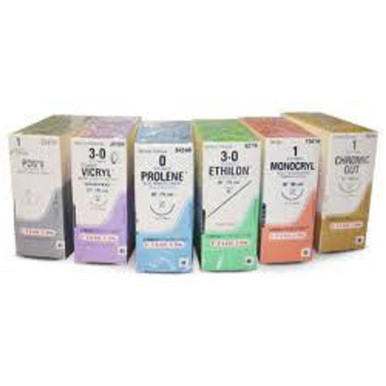
The Ethicon Ethi-Pack Surgical Sutures offer a reliable option for medical professionals requiring strong and durable suture material. Made with high-quality monofilament steel, these non-sterile sutures are ideal for various surgical applications, including complex surgeries and procedures requiring high precision. The monofilament design minimizes tissue reaction and enhances product strength, ensuring secure wound closure.
Available in sizes ranging from 7-0 to 0, these sutures cater to various surgical needs with lengths of 18 inches each. Each box contains either 12 or 50 sutures per tube, sufficient for extensive surgical use. Manufactured by a leading brand in surgical supplies, Ethicon Ethi-Pack guarantees quality and performance. With the variety offered, surgeons can select the appropriate size for their specific procedural needs efficiently.
Buy Now: Ethicon Ethi-Pack Surgical Sutures
2. Surgical Specialties Sharpoint Plus Sutures

Surgical Specialties Sharpoint Plus Sutures are crafted with precision and designed to meet the needs of a variety of surgical procedures. These sutures are available in an array of lengths and needle configurations, providing unparalleled versatility. Whether you're performing a delicate ophthalmic procedure or a complicated cardiovascular surgery, these sutures offer exceptional strength and reliability.
Each suture is color-coded for easy identification and enhanced visibility during surgery. The range includes polypropylene, nylon, and PolySyn materials in vibrant blue, black, and violet colors, respectively, ensuring that you can pick the perfect suture for every task. Moreover, these sutures come in both single and double-armed sterile configurations, catering to the demands of modern medical practices. The different needle styles, such as taper point and reverse cutting, optimize precision, making the sutures excellent for a variety of applications.
Buy Now: Surgical Specialties Sharpoint Plus Sutures
3. Surgical Specialties Sharpoint Microsurgery Sutures
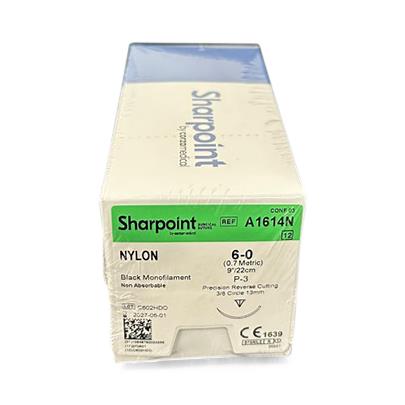
The Surgical Specialties Sharpoint Microsurgery Sutures are crafted for precision and strength, catering specifically to delicate surgical procedures. Constructed from high-quality non-absorbable monofilament nylon, these sutures ensure durable and consistent performance in critical surgical scenarios. They are favored by professionals for their outstanding handling characteristics and low tissue reactivity, minimizing patient discomfort.
Available in a variety of sizes – 11/0, 10/0, 9/0, and 8/0 – and different needle configurations, including 3/8 circle, 1/4 circle, 1/2 circle, and bicurve, these sutures provide the flexibility needed for complex surgical interventions. Perfect for ophthalmic, neural, and cosmetic surgeries, they offer surgeons the precision necessary for optimal outcomes while maintaining the skin’s aesthetics. These sutures are sterile packed in convenient boxes of 12, ensuring safety and easy inventory management.
Buy Now: Surgical Specialties Sharpoint Microsurgery Sutures
Why Buy Surgical Sutures from Trusted Suppliers
-
Guaranteed product authenticity.
-
Bulk purchase discounts for hospitals and clinics.
-
Easy inventory management and quick delivery.
-
Detailed product descriptions and specifications.
Reliable suppliers ensure you get sterile, ready-to-use surgical sutures tailored for your specific clinical needs.
Caring for Surgical Sutures After Surgery
Even the best surgical sutures require proper post-operative care. Both patients and healthcare providers should follow key practices:
-
Keep the suture site clean and dry.
-
Avoid unnecessary stretching or tension.
-
Observe for signs of redness, swelling, or infection.
-
Schedule timely follow-ups for suture removal (if non-absorbable).
Following proper wound care ensures that surgical sutures do their job effectively and lead to optimal healing outcomes.
Final Thoughts
Surgical sutures may seem like small, simple tools, but they hold immense importance in the world of surgery and patient care. Whether absorbable or non-absorbable, natural or synthetic, every strand serves a purpose — to heal, to restore, and to protect.
For hospitals, clinics, and medical professionals, choosing the right surgical sutures means choosing safety, strength, and trust.
Explore high-quality surgical sutures available through certified medical suppliers like bttn, where every product is backed by quality assurance and designed for clinical excellence.
Because in surgery — it’s not just about closing wounds, it’s about opening the door to healing.
FAQs
1. What are surgical sutures used for?
Surgical sutures are used to close wounds, incisions, or cuts during medical or surgical procedures. They help tissues stay aligned and promote faster healing while minimizing scarring and infection risk.
2. What are the main types of surgical sutures?
There are two major types of surgical sutures — absorbable sutures and non-absorbable sutures.
-
Absorbable surgical sutures dissolve naturally inside the body.
-
Non-absorbable surgical sutures need to be removed manually after the wound heals.
3. What is the difference between absorbable and non-absorbable surgical sutures?
Absorbable surgical sutures are broken down by the body’s enzymes over time, making them ideal for internal procedures.
Non-absorbable surgical sutures, on the other hand, remain in place until manually removed and are best for skin, orthopedic, and cardiovascular applications.
4. Which surgical suture material is best for skin closure?
For skin closure, doctors often prefer non-absorbable surgical sutures such as nylon or polypropylene, due to their high tensile strength and minimal scarring. In pediatric or internal cosmetic cases, absorbable sutures like Vicryl may also be used.
5. How long do absorbable surgical sutures take to dissolve?
The time it takes for absorbable surgical sutures to dissolve depends on the material — typically anywhere from 10 days to 3 months.
Fast-absorbing sutures are used for quick-healing tissues, while long-lasting types (like PDS) provide extended wound support.
6. Can surgical sutures cause infection?
If proper hygiene isn’t maintained, surgical sutures can become infected. Using sterile, high-quality sutures from trusted suppliers and following correct wound care practices helps minimize this risk.
7. Are surgical sutures reusable?
No, surgical sutures are single-use only. Reusing sutures compromises sterility and can lead to severe infections. Always use individually packed, sterile surgical sutures for each patient.
8. Where can I buy surgical sutures online?
You can buy surgical sutures online from verified medical suppliers like bttn, which offer FDA-approved, hospital-grade sutures in multiple sizes, materials, and absorption types. Buying online ensures easy bulk ordering, reliable quality, and cost savings for clinics and hospitals.
9. What is the shelf life of surgical sutures?
Most surgical sutures have a shelf life of 3 to 5 years when stored in a cool, dry, and sterile environment. Always check packaging for expiry dates before use.
10. How should surgical sutures be stored?
Surgical sutures should be kept in their original sterile packaging, away from moisture and direct sunlight. Maintaining proper storage conditions ensures their strength and sterility for safe surgical use.