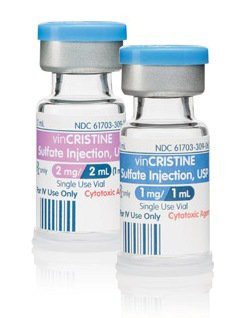
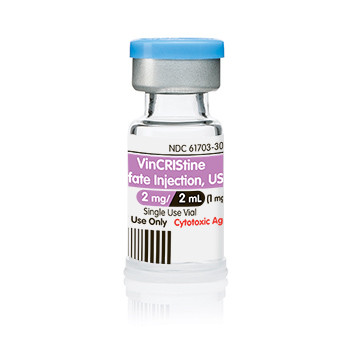
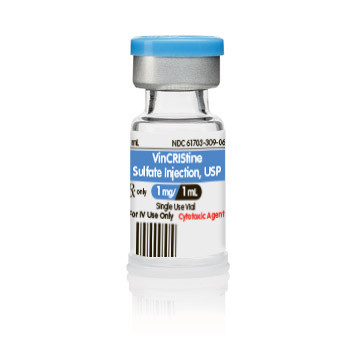

Pfizer Vincristine Sulfate Injectable is a powerful and effective chemotherapy medication used in the treatment of various types of cancers, including leukemia, lymphoma, and other malignant tumors. As an essential component of combination chemotherapy regimens, this injectable disrupts cancer cell growth by binding to tubulin, inhibiting cell division.
Developed by Pfizer, a global leader in pharmaceuticals, this injectable offers exceptional purity and efficacy for medical professionals managing cancer treatment. With its proven success in clinical environments, it provides a critical solution for oncologists seeking optimal therapeutic outcomes.
Pfizer Vincristine Sulfate Injectable is a powerful and effective chemotherapy medication used in the treatment of various types of cancers, including leukemia, lymphoma, and other malignant tumors. As an essential component of combination chemotherapy regimens, this injectable disrupts cancer cell growth by binding to tubulin, inhibiting cell division.
Developed by Pfizer, a global leader in pharmaceuticals, this injectable offers exceptional purity and efficacy for medical professionals managing cancer treatment. With its proven success in clinical environments, it provides a critical solution for oncologists seeking optimal therapeutic outcomes.
Q. What is Pfizer Vincristine Sulfate Injectable used for?
A. It is used as a chemotherapy medication to treat various types of cancers, including leukemia and lymphoma.
Q. How is this medication administered?
A. Pfizer Vincristine Sulfate Injectable is administered intravenously (IV) by a healthcare professional.
Q. Can this product be used as a standalone cancer treatment?
A. No, it is typically used as part of combination chemotherapy regimens.
Q. What are the potential side effects?
A. Common side effects may include hair loss, nausea, constipation, and peripheral neuropathy. Consult your healthcare provider for more information.
Q. How should this product be stored?
A. Store at 2°C to 8°C (36°F to 46°F) in a refrigerator and protect from light.
Q. Is this product safe for pediatric use?
A. Yes, it is often used in pediatric oncology cases under professional supervision.
Q. Can patients self-administer this medication?
A. No, it must be administered by a healthcare professional in a clinical setting.
Q. How does this medication work?
A. It binds to tubulin and disrupts microtubule formation, inhibiting cancer cell division.
Q. Is it covered by insurance?
A. Coverage depends on your insurance provider and specific cancer treatment plan.
Q. What precautions should be taken during treatment?
A. Patients should be closely monitored for side effects, and dosage adjustments may be necessary based on individual tolerance. Always follow your oncologist's guidance.




 Recommended2 variants
 Recommended23 variants


 Recommended4 variants
Similar products to the one you are viewing.

 Similar Product6 variants
 Similar Product8 variants
 Similar Product2 variants


 Similar Product2 variants